How Machine Technology Is Changing the Hospitality Industry: Smart Hotels, Automated Services, and Personalized Guest Experiences
White Wang
•
September 19, 2025
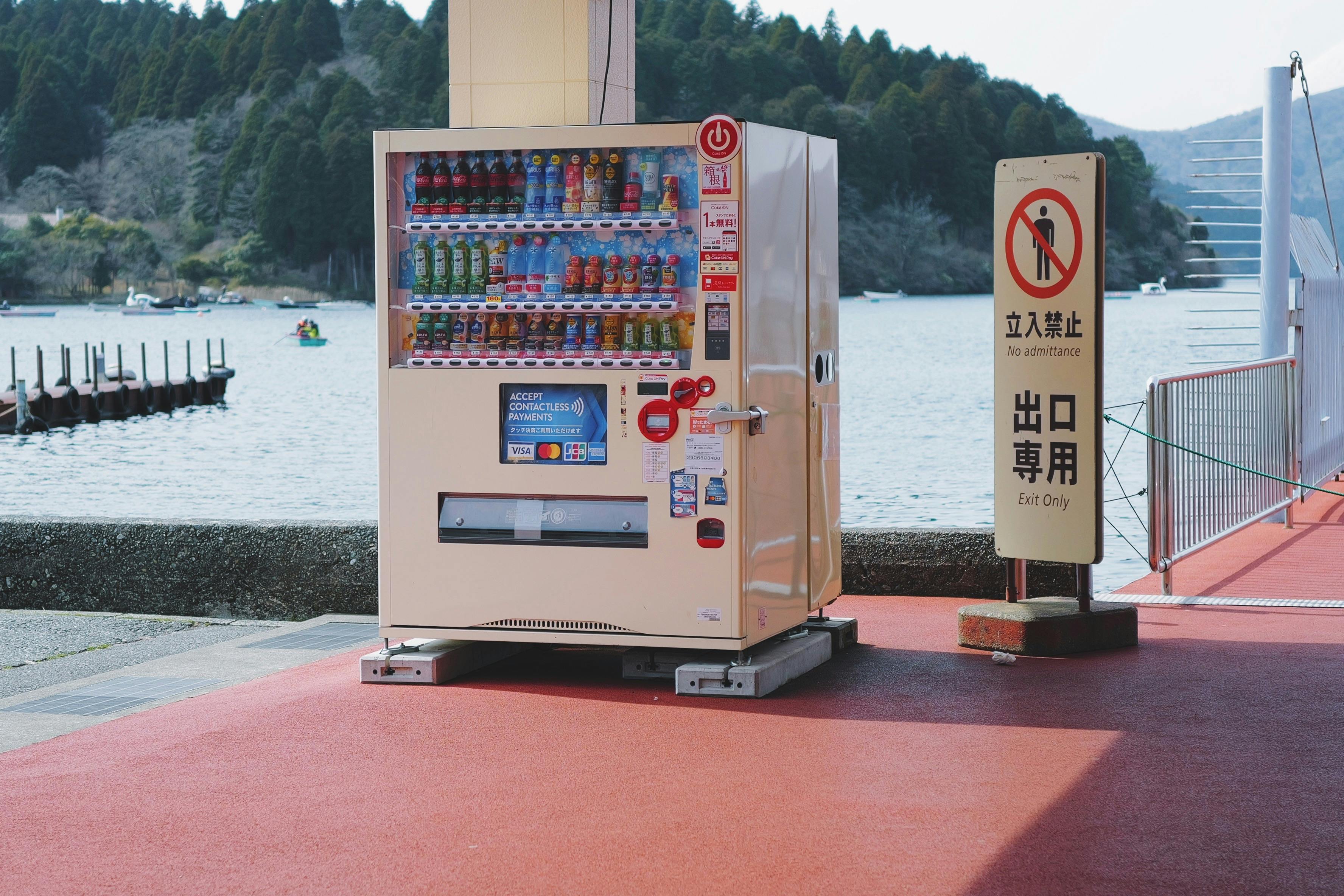
The hospitality industry, long defined by the "human touch," is undergoing a profound digital transformation. While a warm welcome and personal service remain paramount, machine technology—powered by artificial intelligence (AI), the Internet of Things (IoT), and robotics—is no longer a futuristic gimmick. It has become the essential engine for creating a more efficient, seamless, and deeply personalized guest experience.
From the moment of booking to the in-room environment, this technology is reshaping operations, moving the industry from a one-size-fits-all model to one of hyper-customization. This revolution is most visible in three key areas: the rise of Smart Hotels, the efficiency of Automated Services, and the new gold standard of Personalized Guest Experiences.
The Smart Hotel: An Intelligent and Responsive Environment
The first and most tangible change is in the physical hotel room itself. The "Smart Hotel" uses the Internet of Things (IoT)—a network of connected devices—to transform the room from a static space into a responsive environment that molds to the guest.
This ecosystem of "smart" devices typically includes:
Smart Thermostats and Lighting: Allowing guests to set their preferred temperature and lighting scenes.
Smart Entertainment: Connected TVs and speakers that sync with a guest's personal streaming accounts.
Smart Blinds and Curtains: That can be scheduled to open or close at set times.
The true power of the Smart Hotel is how guests interact with it. Instead of fumbling for light switches or thermostats, guests can control their entire environment through a single, central interface.
Case Study: The Hilton "Connected Room"
Hilton has been a pioneer in this space, rolling out its "Connected Room" technology across thousands of its properties. Guests can use the Hilton Honors mobile app as an all-in-one remote control for their room, adjusting the temperature, controlling the lights, and setting their favorite channels on the TV, often before they even walk in the door.
This technology is a dual-benefit:
For the Guest: It provides unprecedented convenience and control.
For the Hotel: It is a powerful tool for sustainability and efficiency. The smart room's sensors can detect when a guest has left, automatically adjusting the thermostat and turning off lights to conserve energy. This system also enables predictive maintenance, alerting engineering staff to a failing light bulb or an HVAC issue before the guest ever notices a problem.
Voice assistants are the next layer of this in-room experience. Hotels like the Wynn Las Vegas were among the first to place an Amazon Echo in every room, allowing guests to control room functions, request housekeeping, or get restaurant information with a simple voice command.
Automated Services: A Seamless and Efficient Guest Journey
Machine technology is also streamlining the operational "grunt work" of hospitality, automating repetitive tasks to create a faster, more frictionless experience for the guest and freeing up staff for more meaningful, high-touch interactions.
1. The End of the Front Desk Line
The traditional check-in process—waiting in line to present an ID and credit card—is rapidly becoming obsolete.
Contactless Check-In: Major chains like Marriott have perfected this with their Bonvoy Mobile Key. Guests can check-in on their app, bypass the front desk entirely, and use their smartphone as a secure, digital key to unlock their room door.
Self-Service Kiosks: For those who prefer a terminal, automated kiosks provide a quick, self-service option for checking in, programming a key card, and checking out.
The impact is dramatic. A case study on Marriott's mobile key implementation showed it led to a 30% reduction in check-in time and a 40% increase in guest satisfaction scores related to their arrival. For staff, it resulted in a 60% reduction in administrative time, allowing front desk agents to act as true concierges rather than data-entry clerks.
2. AI Chatbots and Virtual Concierges
Guest inquiries are a 24/7 operation. AI-powered chatbots and virtual concierges are now handling the vast majority of these requests, instantly and in multiple languages. Platforms like Ivy or Visito can be integrated into a hotel's website, app, or even WhatsApp, and can:
Answer common questions ("What's the Wi-Fi password?")
Take room service orders.
Book spa appointments or restaurant reservations.
Handle housekeeping requests ("I need extra towels").
These AI bots can successfully field over 90-95% of all guest messages, ensuring instant service at 3:00 AM while reserving human staff for complex or high-emotion issues.
3. Robotic Staff
Once a novelty, robots are now a practical and efficient part of hotel operations.
Delivery Robots: Robots like "Relay" (or "Techi" in Singapore) are used for autonomous delivery. When a guest requests extra towels or a late-night snack, a staff member can load the items into the robot, which then navigates hallways and even calls and rides elevators to the guest's room.
Concierge Robots: Hilton's "Connie" robot, powered by IBM Watson, serves as an AI concierge that can greet guests and answer questions about local attractions and hotel amenities, learning and improving with every interaction.
Personalized Guest Experiences: The Power of AI and Data
The most profound transformation is in personalization. For the first time, machine technology allows hotels to deliver a unique "segment-of-one" experience to every single guest.
This is powered by AI and Customer Data Platforms (CDPs), which unify a hotel's "siloed" data. The system combines a guest's booking history, on-property spending, past stay preferences (e.g., pillow type, room temperature), and even public social media data to build a comprehensive 360-degree profile.
With this profile, the hotel's AI can:
Anticipate Needs: The system knows a guest is a repeat visitor who always requests a room on a high floor, away from the elevator, with extra pillows. The system automatically assigns a room with these attributes and ensures the pillows are in the room before the guest even arrives.
Provide Hyper-Personalized Offers: Instead of a generic "20% off at the spa" email, the AI knows this guest has only ever used the golf course. It can instead send a targeted offer for a complimentary bucket of range balls. This personalization drives loyalty and a significant increase in ancillary revenue.
Optimize Revenue: AI-driven dynamic pricing is a critical backend technology. These systems analyze market demand, competitor pricing, local events, and weather forecasts in real-time to adjust room rates, ensuring every room is sold at the optimal price to maximize revenue. Case studies from Hilton and Marriott show that their AI-powered revenue management systems have led to revenue increases of 5-10% by more accurately segmenting customers and pricing inventory.
← Back to Home
From the moment of booking to the in-room environment, this technology is reshaping operations, moving the industry from a one-size-fits-all model to one of hyper-customization. This revolution is most visible in three key areas: the rise of Smart Hotels, the efficiency of Automated Services, and the new gold standard of Personalized Guest Experiences.
The Smart Hotel: An Intelligent and Responsive Environment
The first and most tangible change is in the physical hotel room itself. The "Smart Hotel" uses the Internet of Things (IoT)—a network of connected devices—to transform the room from a static space into a responsive environment that molds to the guest.
This ecosystem of "smart" devices typically includes:
Smart Thermostats and Lighting: Allowing guests to set their preferred temperature and lighting scenes.
Smart Entertainment: Connected TVs and speakers that sync with a guest's personal streaming accounts.
Smart Blinds and Curtains: That can be scheduled to open or close at set times.
The true power of the Smart Hotel is how guests interact with it. Instead of fumbling for light switches or thermostats, guests can control their entire environment through a single, central interface.
Case Study: The Hilton "Connected Room"
Hilton has been a pioneer in this space, rolling out its "Connected Room" technology across thousands of its properties. Guests can use the Hilton Honors mobile app as an all-in-one remote control for their room, adjusting the temperature, controlling the lights, and setting their favorite channels on the TV, often before they even walk in the door.
This technology is a dual-benefit:
For the Guest: It provides unprecedented convenience and control.
For the Hotel: It is a powerful tool for sustainability and efficiency. The smart room's sensors can detect when a guest has left, automatically adjusting the thermostat and turning off lights to conserve energy. This system also enables predictive maintenance, alerting engineering staff to a failing light bulb or an HVAC issue before the guest ever notices a problem.
Voice assistants are the next layer of this in-room experience. Hotels like the Wynn Las Vegas were among the first to place an Amazon Echo in every room, allowing guests to control room functions, request housekeeping, or get restaurant information with a simple voice command.
Automated Services: A Seamless and Efficient Guest Journey
Machine technology is also streamlining the operational "grunt work" of hospitality, automating repetitive tasks to create a faster, more frictionless experience for the guest and freeing up staff for more meaningful, high-touch interactions.
1. The End of the Front Desk Line
The traditional check-in process—waiting in line to present an ID and credit card—is rapidly becoming obsolete.
Contactless Check-In: Major chains like Marriott have perfected this with their Bonvoy Mobile Key. Guests can check-in on their app, bypass the front desk entirely, and use their smartphone as a secure, digital key to unlock their room door.
Self-Service Kiosks: For those who prefer a terminal, automated kiosks provide a quick, self-service option for checking in, programming a key card, and checking out.
The impact is dramatic. A case study on Marriott's mobile key implementation showed it led to a 30% reduction in check-in time and a 40% increase in guest satisfaction scores related to their arrival. For staff, it resulted in a 60% reduction in administrative time, allowing front desk agents to act as true concierges rather than data-entry clerks.
2. AI Chatbots and Virtual Concierges
Guest inquiries are a 24/7 operation. AI-powered chatbots and virtual concierges are now handling the vast majority of these requests, instantly and in multiple languages. Platforms like Ivy or Visito can be integrated into a hotel's website, app, or even WhatsApp, and can:
Answer common questions ("What's the Wi-Fi password?")
Take room service orders.
Book spa appointments or restaurant reservations.
Handle housekeeping requests ("I need extra towels").
These AI bots can successfully field over 90-95% of all guest messages, ensuring instant service at 3:00 AM while reserving human staff for complex or high-emotion issues.
3. Robotic Staff
Once a novelty, robots are now a practical and efficient part of hotel operations.
Delivery Robots: Robots like "Relay" (or "Techi" in Singapore) are used for autonomous delivery. When a guest requests extra towels or a late-night snack, a staff member can load the items into the robot, which then navigates hallways and even calls and rides elevators to the guest's room.
Concierge Robots: Hilton's "Connie" robot, powered by IBM Watson, serves as an AI concierge that can greet guests and answer questions about local attractions and hotel amenities, learning and improving with every interaction.
Personalized Guest Experiences: The Power of AI and Data
The most profound transformation is in personalization. For the first time, machine technology allows hotels to deliver a unique "segment-of-one" experience to every single guest.
This is powered by AI and Customer Data Platforms (CDPs), which unify a hotel's "siloed" data. The system combines a guest's booking history, on-property spending, past stay preferences (e.g., pillow type, room temperature), and even public social media data to build a comprehensive 360-degree profile.
With this profile, the hotel's AI can:
Anticipate Needs: The system knows a guest is a repeat visitor who always requests a room on a high floor, away from the elevator, with extra pillows. The system automatically assigns a room with these attributes and ensures the pillows are in the room before the guest even arrives.
Provide Hyper-Personalized Offers: Instead of a generic "20% off at the spa" email, the AI knows this guest has only ever used the golf course. It can instead send a targeted offer for a complimentary bucket of range balls. This personalization drives loyalty and a significant increase in ancillary revenue.
Optimize Revenue: AI-driven dynamic pricing is a critical backend technology. These systems analyze market demand, competitor pricing, local events, and weather forecasts in real-time to adjust room rates, ensuring every room is sold at the optimal price to maximize revenue. Case studies from Hilton and Marriott show that their AI-powered revenue management systems have led to revenue increases of 5-10% by more accurately segmenting customers and pricing inventory.