Machine Technology in the Textile and Fashion Industry: Automating Production, Enhancing Design, and Enabling Sustainable Practices
White Wang
•
September 19, 2025
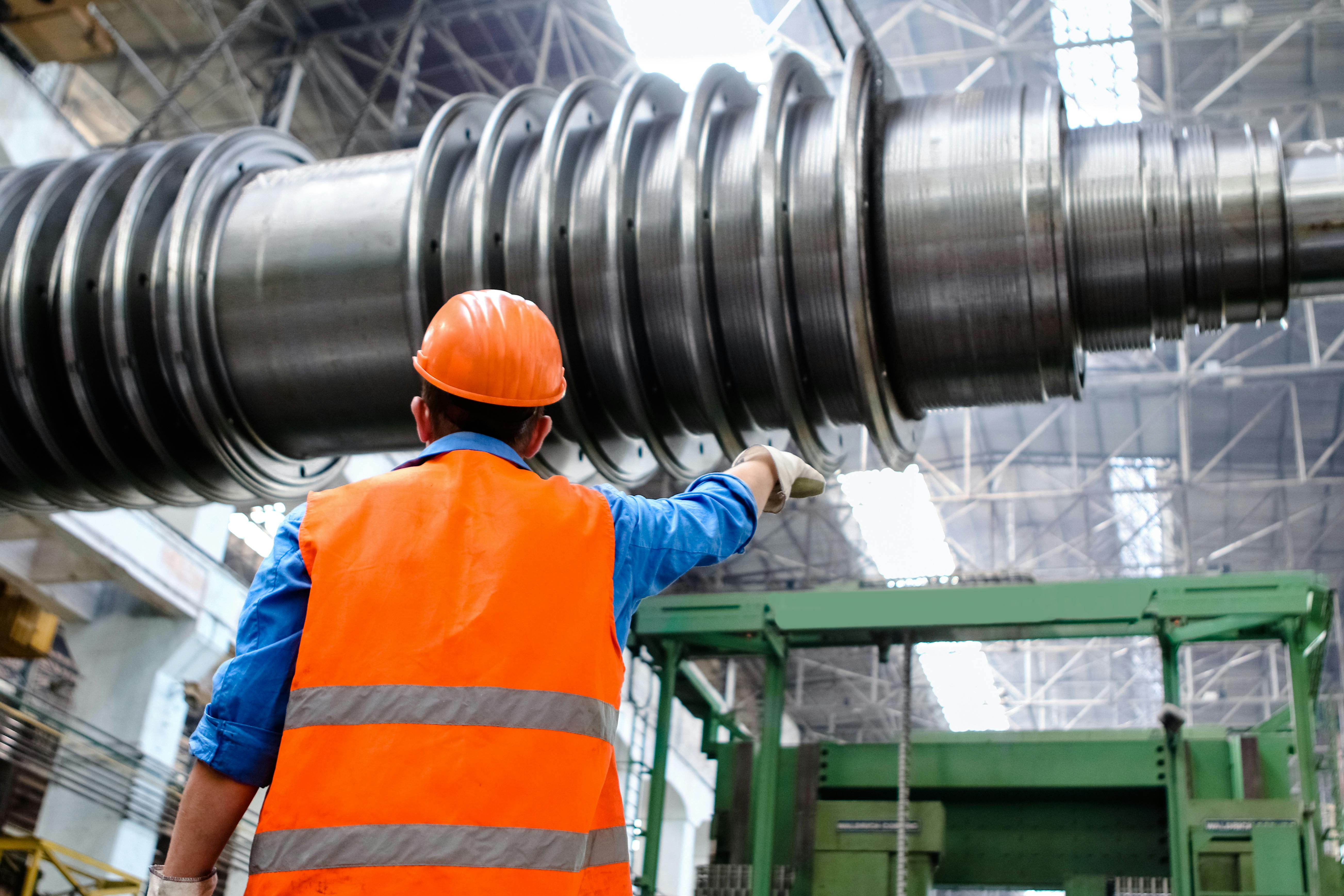
The textile and fashion industry, long one of the most labor-intensive and environmentally impactful sectors on earth, is undergoing a profound technological revolution. For decades, the industry's model has been based on manual labor, creative intuition, and a notoriously wasteful "make-and-chase" supply chain. Today, a new generation of machine technology—powered by artificial intelligence (AI), robotics, and advanced manufacturing—is reshaping every thread of the business.
This digital transformation is not just about making clothes faster; it's about making the entire industry smarter, cleaner, and more responsive. Machine technology is automating complex production, enhancing creative design, and, most critically, enabling sustainable practices that were previously impossible.
Enhancing Design: The AI-Powered Creative Process
Before a single thread is spun, the fashion revolution begins on the screen. AI and machine technology are transforming the creative and strategic heart of the industry: the design phase.
1. AI-Driven Trend Forecasting
In the fast-fashion model, the greatest financial and environmental risk is misjudging a trend. AI is now the industry's most powerful crystal ball. Instead of relying on guesswork, brands like Zara use sophisticated AI algorithms to analyze vast, real-time datasets. This includes:
Social Media Trends: Scanning millions of images on Instagram and TikTok to identify emerging styles, colors, and patterns.
Online Sales Data: Analyzing what is selling (and, more importantly, what is being returned) in real-time.
Market Analysis: Monitoring runway shows, fashion blogs, and even search queries to predict consumer demand.
This allows brands to understand what customers want, in which region, and in what quantity, enabling them to design for actual demand rather than speculative forecasts.
2. Virtual Prototyping and 3D Design
The traditional design process is incredibly wasteful. A designer's sketch must be turned into a physical "tech pack," sent to a factory, sewn into a physical sample, and shipped back and forth across the globe—a process that is repeated dozens of times for a single garment.
Machine technology has digitized this entire workflow. Designers now work with 3D modeling software like CLO 3D or Browzwear to create hyper-realistic digital prototypes.
Digital Fitting: These 3D garments can be "fitted" onto custom avatars with precise body measurements, allowing designers to check the drape, fit, and movement of the fabric digitally.
Instant Iteration: Instead of waiting weeks for a new sample, a designer can change a pattern, adjust a seam, or test a new color in minutes.
Reduced Waste: This process eliminates the need for 90% of physical samples, saving millions in materials, shipping costs, and carbon emissions, while slashing time-to-market.
3. Generative AI as a Creative Partner
Generative AI is not replacing designers but acting as a powerful creative assistant. Designers at brands like Gruppo Teddy can input a "mood board," a text description, or a rough sketch, and the AI will generate hundreds of unique design variations and patterns in seconds. This accelerates the "ideation" phase, allowing designers to explore far more creative possibilities than they could alone.
Automating Production: The New Robotic Factory Floor
For decades, the sewing of a garment—a "limp" fabric—was considered too complex for automation. This is no longer true. Robotics and advanced machinery are finally tackling the most difficult parts of garment production.
1. 3D Knitting and Seamless Garments
The most revolutionary production technology is 3D knitting. Unlike traditional "cut-and-sew" methods where patterns are cut from a large sheet of fabric (creating 15-20% waste), a 3D knitting machine, like those used by Adidas for its footwear, knits an entire garment in one seamless piece.
Zero-Waste Production: This process produces only the product, eliminating all fabric waste from cutting.
On-Demand Customization: The machines can be instantly reprogrammed to knit a custom size or design, making "on-demand" production scalable.
2. The Rise of "Sewbots"
The final frontier of automation—robotic sewing—is here. Systems like SoftWear Automation's "Sewbots" use high-speed computer vision and intelligent grippers to handle and guide a piece of fabric through a sewing machine. These robots can automatically align, sew, and track fabric with greater precision and speed than a human, enabling 24/7, lights-out production for items like t-shirts and denim.
3. Automated Cutting and Dyeing
Precision Cutting: Laser and automated knife-cutting systems take a digital pattern and cut it on a stack of fabric with millimeter precision. This process optimizes the layout to ensure the absolute minimum amount of scrap is produced.
Smart Dyeing: Traditional textile dyeing is one of the world's biggest polluters, using trillions of liters of water and toxic chemicals. New machine technology is changing this. Digital textile printing works like a massive inkjet printer, applying dye directly to the fabric, a process that can reduce water consumption by 50% and printing costs by 90%.
Enabling Sustainable Practices: The Ultimate Goal
The most profound impact of machine technology is its ability to solve fashion's sustainability crisis. It provides the tools to tackle the industry's two biggest problems: overproduction and polluting processes.
1. Solving Overproduction (The 30% Problem)
The traditional fashion industry operates on a model that produces an estimated 20-30% more clothing than it sells. This unsold inventory is the single greatest source of waste, much of which is incinerated or sent to landfills.
Machine technology attacks this problem directly:
AI-Powered Supply Chains: By using the accurate trend forecasts from AI, brands like Zara can make smaller, more targeted production runs. This aligns production with real-time demand, slashing the amount of unsold inventory.
On-Demand Manufacturing: This is the "holy grail" of sustainable fashion. Enabled by 3D knitting and automated workflows, this model shifts production from "make-then-sell" to "sell-then-make." A garment is only produced after a customer has placed an order. This model, used by companies like Unmade, completely eliminates overproduction and inventory waste, representing a fundamental shift in the business of fashion.
2. Solving Process Pollution
As mentioned, new machine technologies are cleaning up the dirty side of manufacturing.
Digital Printing & Dyeing: Technologies like Colorifix, which uses microbes to create and deposit pigment, are pioneering waterless, non-toxic dyeing.
Virtual Prototyping: Eliminating the shipment of billions of physical samples drastically cuts the industry's carbon footprint.
Supply Chain Transparency: Technologies like Blockchain and RFID tags are being used to create a transparent supply chain. This allows brands and consumers to track a garment from its raw material source (e.g., an ethical cotton farm) all the way to the point of sale, ensuring sustainable and ethical claims are verifiable.
← Back to Home
This digital transformation is not just about making clothes faster; it's about making the entire industry smarter, cleaner, and more responsive. Machine technology is automating complex production, enhancing creative design, and, most critically, enabling sustainable practices that were previously impossible.
Enhancing Design: The AI-Powered Creative Process
Before a single thread is spun, the fashion revolution begins on the screen. AI and machine technology are transforming the creative and strategic heart of the industry: the design phase.
1. AI-Driven Trend Forecasting
In the fast-fashion model, the greatest financial and environmental risk is misjudging a trend. AI is now the industry's most powerful crystal ball. Instead of relying on guesswork, brands like Zara use sophisticated AI algorithms to analyze vast, real-time datasets. This includes:
Social Media Trends: Scanning millions of images on Instagram and TikTok to identify emerging styles, colors, and patterns.
Online Sales Data: Analyzing what is selling (and, more importantly, what is being returned) in real-time.
Market Analysis: Monitoring runway shows, fashion blogs, and even search queries to predict consumer demand.
This allows brands to understand what customers want, in which region, and in what quantity, enabling them to design for actual demand rather than speculative forecasts.
2. Virtual Prototyping and 3D Design
The traditional design process is incredibly wasteful. A designer's sketch must be turned into a physical "tech pack," sent to a factory, sewn into a physical sample, and shipped back and forth across the globe—a process that is repeated dozens of times for a single garment.
Machine technology has digitized this entire workflow. Designers now work with 3D modeling software like CLO 3D or Browzwear to create hyper-realistic digital prototypes.
Digital Fitting: These 3D garments can be "fitted" onto custom avatars with precise body measurements, allowing designers to check the drape, fit, and movement of the fabric digitally.
Instant Iteration: Instead of waiting weeks for a new sample, a designer can change a pattern, adjust a seam, or test a new color in minutes.
Reduced Waste: This process eliminates the need for 90% of physical samples, saving millions in materials, shipping costs, and carbon emissions, while slashing time-to-market.
3. Generative AI as a Creative Partner
Generative AI is not replacing designers but acting as a powerful creative assistant. Designers at brands like Gruppo Teddy can input a "mood board," a text description, or a rough sketch, and the AI will generate hundreds of unique design variations and patterns in seconds. This accelerates the "ideation" phase, allowing designers to explore far more creative possibilities than they could alone.
Automating Production: The New Robotic Factory Floor
For decades, the sewing of a garment—a "limp" fabric—was considered too complex for automation. This is no longer true. Robotics and advanced machinery are finally tackling the most difficult parts of garment production.
1. 3D Knitting and Seamless Garments
The most revolutionary production technology is 3D knitting. Unlike traditional "cut-and-sew" methods where patterns are cut from a large sheet of fabric (creating 15-20% waste), a 3D knitting machine, like those used by Adidas for its footwear, knits an entire garment in one seamless piece.
Zero-Waste Production: This process produces only the product, eliminating all fabric waste from cutting.
On-Demand Customization: The machines can be instantly reprogrammed to knit a custom size or design, making "on-demand" production scalable.
2. The Rise of "Sewbots"
The final frontier of automation—robotic sewing—is here. Systems like SoftWear Automation's "Sewbots" use high-speed computer vision and intelligent grippers to handle and guide a piece of fabric through a sewing machine. These robots can automatically align, sew, and track fabric with greater precision and speed than a human, enabling 24/7, lights-out production for items like t-shirts and denim.
3. Automated Cutting and Dyeing
Precision Cutting: Laser and automated knife-cutting systems take a digital pattern and cut it on a stack of fabric with millimeter precision. This process optimizes the layout to ensure the absolute minimum amount of scrap is produced.
Smart Dyeing: Traditional textile dyeing is one of the world's biggest polluters, using trillions of liters of water and toxic chemicals. New machine technology is changing this. Digital textile printing works like a massive inkjet printer, applying dye directly to the fabric, a process that can reduce water consumption by 50% and printing costs by 90%.
Enabling Sustainable Practices: The Ultimate Goal
The most profound impact of machine technology is its ability to solve fashion's sustainability crisis. It provides the tools to tackle the industry's two biggest problems: overproduction and polluting processes.
1. Solving Overproduction (The 30% Problem)
The traditional fashion industry operates on a model that produces an estimated 20-30% more clothing than it sells. This unsold inventory is the single greatest source of waste, much of which is incinerated or sent to landfills.
Machine technology attacks this problem directly:
AI-Powered Supply Chains: By using the accurate trend forecasts from AI, brands like Zara can make smaller, more targeted production runs. This aligns production with real-time demand, slashing the amount of unsold inventory.
On-Demand Manufacturing: This is the "holy grail" of sustainable fashion. Enabled by 3D knitting and automated workflows, this model shifts production from "make-then-sell" to "sell-then-make." A garment is only produced after a customer has placed an order. This model, used by companies like Unmade, completely eliminates overproduction and inventory waste, representing a fundamental shift in the business of fashion.
2. Solving Process Pollution
As mentioned, new machine technologies are cleaning up the dirty side of manufacturing.
Digital Printing & Dyeing: Technologies like Colorifix, which uses microbes to create and deposit pigment, are pioneering waterless, non-toxic dyeing.
Virtual Prototyping: Eliminating the shipment of billions of physical samples drastically cuts the industry's carbon footprint.
Supply Chain Transparency: Technologies like Blockchain and RFID tags are being used to create a transparent supply chain. This allows brands and consumers to track a garment from its raw material source (e.g., an ethical cotton farm) all the way to the point of sale, ensuring sustainable and ethical claims are verifiable.